

You’ve just brought home a new puppy. She’s the most delightful yet naughty creature to grace your household. She brings much joy and excitement into your life. And you’re a busy pet parent now. With her vaccinations up to date, dental health discussed, and diet sorted out, the next thing on the list sounds pretty scary but necessary – neutering/sterilization.
What is neutering?
What exactly is neutering/sterilization? This is a surgical procedure that removes the reproductive organs of an animal. Neutering is also called “spaying” for female pets, and “castration” for male pets.
In this article, we will focus on cats and dogs only – why and when should we neuter our pets, common myths and misconceptions about neutering, and what to expect from the procedure.
Why should I neuter my pet?

- Reduces territorial behaviour (males): Neutered pets fight less, reduce roaming behaviour, and reduce marking and spraying.
- Eliminates on-heat behaviour: No more yowling, restless behaviour, humping (males) and blood vaginal discharge (females).
- Eliminates risk of uterine/ovarian cancer, mammary gland cancer (females), and testicular cancer (males
- Reduces risk of prostate problems (males)
- Eliminates the risk of pyometra (females): This is a uterine infection that is life-threatening. It requires high-risk surgical intervention and can be extremely costly to treat.
- Prevents unwanted litters: This would otherwise contribute to the overpopulation of strays.
When should I neuter my pet?

Cats: As kittens can have their first heat cycle any time between 4-6 months old, the American Animal Hospital Association (AAHA) recommends neutering kittens by five months old as it greatly reduces risk of mammary cancer and spraying/marking behaviour, as well as unwanted litters.
Dogs: Puppies usually have their first heat cycle at around 5-6 months old. AAHA recommends neutering small-breed puppies at around this time before their first heat. Large-breed puppies are recommended to be neutered between 9-15 months old, after growth stops as this will reduce the risk of other diseases.
Even If your cat or dog is past these ages, it is still recommended to get them neutered as you can still benefit from it!
Common myths and misconceptions
1. It’s cruel
This is a common misconception people have regarding neutering. Given all the benefits that neutering brings, not neutering them would actually be cruel if you really think about it.
2. Surgery is risky
While this is true and every procedure involving general anaesthesia has its risks, the benefits of neutering far outweigh this slight risk. If you are worried, please speak to your trusted veterinarian about your concerns. Pre-anaesthesia blood tests and full physical checkup can be carried out to ensure your pet is fit for anesthesia. Careful steps in monitoring the pet during surgery are also usually done to ensure they have a safe anesthesia.
3. We want to have puppies or kittens!
Apart from possibly contributing to the overpopulation of strays or shelter animals, you would need to budget for the costs of pregnancy checkups, and potentially a Caesarian section if your pet has difficulty giving birth. Sometimes, the mother dog or cat could reject or refuse to nurse her puppies/kittens, resulting in them having to be hand-fed by the caretaker every 2 hours, even throughout the night. You would also need to have a plan for getting all the puppies/kittens sold or adopted. Given these possible difficulties, it might be better simply to adopt a pet from a shelter instead. They will love you for giving them a forever home!
What should I expect?
As the procedure itself involves putting the pet under general anesthesia, there are a few things to prepare prior to surgery. The 2020 AAHA guidelines recommend a healthy dog/cat to be fasted from food for 4-6 hours prior to surgery as they may vomit when the anesthetic medication is given. Water should not be withheld. Your veterinarian may also speak to you about having pre-anaesthesia blood tests done. Typically, painkillers and prophylactic antibiotics are given to minimize complications from the surgery. If the procedure was uneventful, your pet should be able to go home on the same day of the surgery.
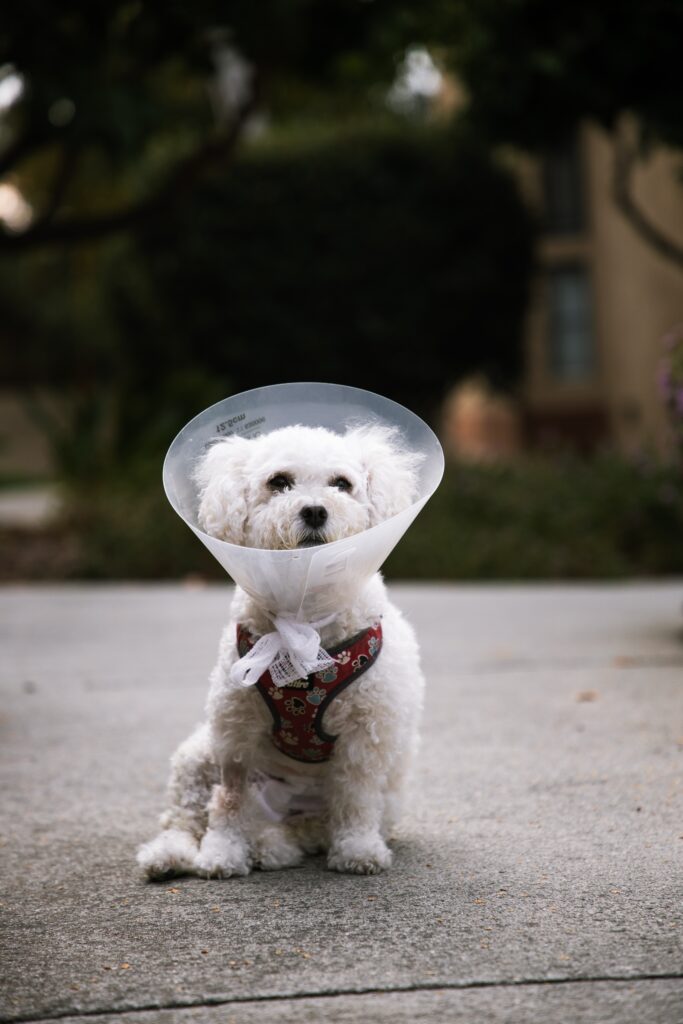
These are the things you will need to watch out for in the next 7-10 days after surgery:
- Keep the e-collar on to prevent them from licking the surgical site – they might hate the “cone of shame” but most pets get used to it after a few days.
- Check the surgical site daily for any discharge, swelling or pain – you can always contact your veterinarian if you are concerned.
- No high-energy activities – short-leashed walks for dogs that need to go toileting outside only.
- Baths are not recommended – bathing or getting the surgical site wet would increase risk of infection. You can keep your dog clean by using dry shampoo or wet wipes instead.
- Keep your pet comfortable and give them lots of love.
An important long-term effect of neutering to take note of is that they are much more prone to weight gain. A diet change and exercise plans should be discussed with your veterinarian as well to prevent obesity.
All things considered, neutering is in fact preventative medicine and is important for a good quality of life for your pet. So yes, you should neuter your pet, but if you still have reservations, please speak to your trusted veterinarian today.
Dr Jan Tie
Taipan Veterinary Clinic & Surgery
Related Page You May Be Interested In:
- Learn more about our Vet for Dogs services to help your pet recover from injuries and improve mobility.
- Explore our Vet for Cats services designed to address fractures, luxations, and other orthopedic conditions.
- Discover how our Veterinary Surgery solutions can restore function and alleviate pain in pets of all sizes.
- Ensure your pet receives ongoing care with our Veterinary Care services, focused on both recovery and preventive health.